
Nutrition: Things to Add
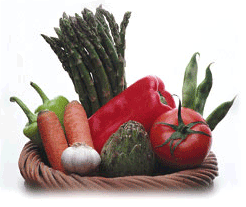
By now, you have probably heard that you should eat foods high in fiber and low in fat. But eating in a healthy way isn't always easy.
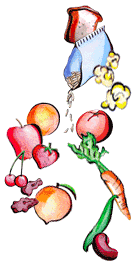
Fiber comes from plants. Whole grains, fruits, legumes, and vegetables are significant sources of fiber. Fiber appears to decrease colonPart of the large intestine. cancer risk because it helps move cancer-causing agents out of the intestines. It is best to eat fiber that comes from many different sources.
Some sources of fiber are: Whole grain breads, wheat & bran cereals, brown rice, popcorn, peas, tomatoes, broccoli, carrots, kidney beans & other legumes, spinach, potatoes, apricots, apples, oranges, strawberries, cherries, raisins, and peaches.
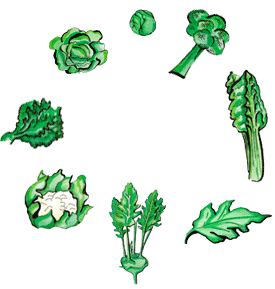
Cruciferous (crew-sif-er-us) vegetables may help protect against colon, bladder, stomachCancer that forms in tissues lining the stomach. Also called gastric cancer., lung, and other cancers. Experts say you should eat an assortment of cruciferous vegetables every day. You can add them to what you eat by simply putting them in your salad, stir-fry, casserole, or eating them as a side dish or snack.
Cruciferous vegetables include: Broccoli, Brussels sprouts, cabbage, kale, cauliflower, kohlrabi, mustard greens, and swiss chard.
Vitamin AA group of compounds found in fish-liver oils, milk, and some yellow and dark green vegetables that play an important role in vision, bone growth, reproduction, cell division, and cell differentiation; also called retinol. and carotenoidsA substance found in yellow and orange fruits and vegetables as well as in dark green, leafy vegetables. Carotenoids may reduce the risk of developing cancer. (car-ott-en-oids) may protect against cancers of the esophagusCancer that forms in the tube that moves food from the mouth to the stomach. and larynxThe structure at the top of the wind pipe that contains the vocal cords, which produce the voice. Also called the voice box.. Your body gets vitamin A and carotenoids from the food you eat.
Food sources of Vitamin A are: Egg yolks, dairy products, fish, liver and other organ meats.
Food sources of carotenoids are dark green and deep yellow fruits and vegetables. For example: Carrots, peaches, apricots, squash, sweet potatoes, spinach, kale, broccoli, and dark green leaf lettuce.
Vitamin CA key nutrient found in citrus fruits, tomatoes, potatoes, and leafy green vegetables that the body needs to fight infection, heal wounds, and keep tissues healthy, including the blood vessels, cartilage, ligaments, tendons, bones, muscle, skin, teeth and gums; also called ascorbic acid. may protect against certain types of cancers, including cancers of the esophagus and stomach.
Vitamin C is found in many fresh fruits and vegetables such as: Grapefruit, kiwi, strawberries, cantaloupe, oranges, mangoes, tomatoes, currants, Brussels sprouts, cauliflower, peppers, mustard greens, celery, kale, and broccoli.