Benefits, Limitations and Risks
There are several advantages and disadvantages of genetic testingThe analysis of DNA and chromosomes for clinical purposes; can name and tell you if there are genes that are likely to be linked to unhealthy outcomes and illnesses.. It is important that you review each before making the decision if genetic testing is right for you. In other words, you should know what a genetic test can and cannot tell you.
Disadvantages of Genetic Testing
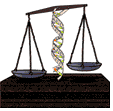
- Some genetic tests cannot find all mutationsA permanent change that affects genes..
- Genetic tests do not give definite answers. A positive testWhat you were testing for shows up in test results. (when a mutation is present) may not tell you for sure if you will or will not get a disease. It will only help you learn about your chance of developing a disease.
- Genetic tests do not always tell you how serious a disease will be if you get it.
- Genetic testing does not look at other factors that affect your health. Your chances of getting a disease (and how severe it might be) may be affected by other factors, such as what food you eat, weight, exercise/fitness, and smoking.
- If you do not have a mutation, you may feel a sense of relief. However, it does not mean you are not at risk for the disease. All women/men are at risk for cancer.
- If you do have a mutation, it does not always mean you will get the disease.
Advantages of Genetic Testing
- Genetic testing can give you information about your risk of inherited cancers.
- The outcome of the test may help you make informed decisions about your options for early cancer detectionFinding cancer in an early stage of its growth. This increases the chances of milder treatment for patients and makes survival more likely. Some examples of early detection strategies include mammography and breast self-examination. and risk reduction. For example, a woman who finds out that she has a mutation in a breast cancer gene may have her first mammogramAn X-ray photograph of the breasts. at a younger age.
- Genetic testing can help identify close relativesMom, dad, siblings, children. who may also carry inherited gene mutations that increase the risk for cancer.
Risks of Genetic Testing
- There are a few risks having to do with the body associated with giving a blood sample.
- Genetic testing has emotional risks. Finding out test results may cause distressing feelings among test recipients.
- Concerns have been raised about how insurers or employers might use genetic test results. The recently passed Genetic Information Nondiscrimination Act (GINA)A law that makes it illegal for health insurance providers to deny coverage, or charge someone more money, based on genetic test results; does not allow forced genetic testing; protects persons who are working from getting fired or not being able to move to different jobs because of genetic information; protects genetic information in tests by keeping it confidential and does not allow employers to ask for results. prohibits health insurers and employers from using genetic test results against you, but other types of insurance (e.g., life, disability, long-term care) are not covered by GINA.
Making the decision to find out about your chance for developing breast cancer may be difficult. It is important to understand what genetic risk is and how it may affect you.
Only you can determine if genetic testing is the right option for you. Genetic counselorsHealth professional with specialized degrees and experience in the area of medical genetics and counseling. Her job is to help patients decide if they want to get genetic testing., doctors and other health professionals can answer your questions and help you think through your options. To learn more about common questions related to confidentiality and insurance issues, please see the Visiting A Cancer Genetics Clinic section of this site.